

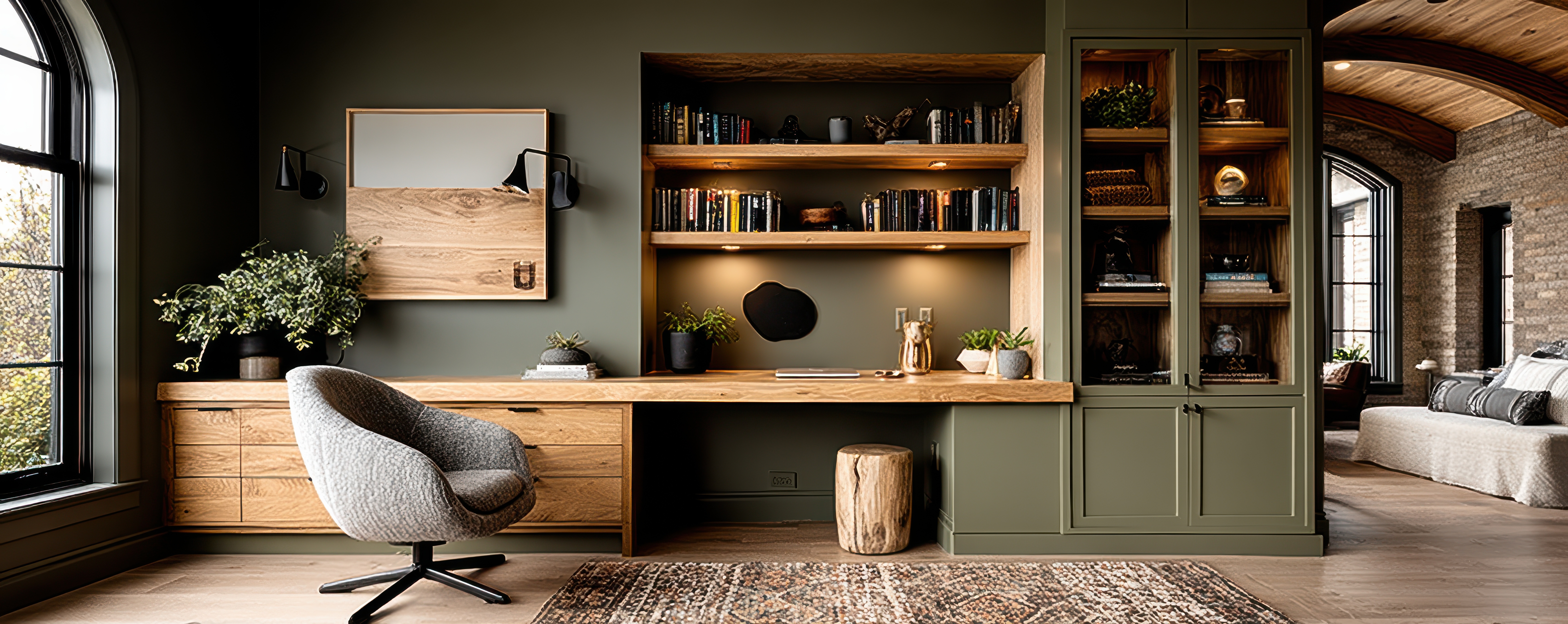
If you’ve ever tried to take a video call while a chair scrapes across the floor or footsteps echo down the hall, you know how much sound affects your focus. A home office doesn’t need to be large to work well, but it does need the right surfaces. The floor under your desk plays a bigger role than most people expect, especially when you want a space that feels calm, comfortable, and easy to live with every day.
Why flooring matters more than wall color
People often think about paint, lighting, and furniture first. Those choices matter, but flooring shapes the room in a quieter, more constant way. Hard, reflective surfaces can bounce sound around, while the right material helps soften movement and reduce the sharp little noises that make a workspace feel busy.
That’s one reason many homeowners lean toward luxury vinyl plank options for offices. It gives you a cleaner, more tailored look than old builder-grade flooring, but it also tends to sound gentler underfoot than some harder surfaces. In homes around Westfield, where spare bedrooms often become part-time offices, part-time guest rooms, that balance of style and practicality matters.
What makes luxury vinyl a smart office choice
A quiet workspace has to do more than limit noise. It should also handle rolling chairs, coffee spills, and the daily wear that comes from using one room for multiple purposes. Luxury vinyl works well because it’s resilient, easier on the feet during long workdays, and better suited to real-life routines than many people assume.
If you’re comparing materials, it helps to read through what makes luxury vinyl different before deciding. Construction, wear layer, and installation method all affect how a floor performs over time. For families in Noblesville juggling school schedules, pets, and work-from-home hours, durability and easy cleanup can be just as important as appearance.
Another advantage is design flexibility. A home office doesn’t have to look sterile to function well. Wood-look planks can warm up the room and make it feel connected to the rest of the house instead of cut off from it.
Area rugs help absorb the sounds flooring can’t
Even a well-chosen hard surface benefits from one more layer. Area rugs are one of the simplest ways to take the edge off chair movement, foot traffic, and the hollow feel some offices develop once the desk is in place. They also help define the workspace visually, which is useful if your office shares space with a bedroom or loft.
What matters most is choosing the right size, texture, and material for how you use the room. A rug that sits properly under the desk can soften sound without creating a constant snag point for your chair. If you want something more tailored, custom area rug services make it easier to match the room instead of settling for a standard size that almost works. You can also browse area rugs by size and style to get a sense of what complements your flooring and furniture.
Don’t overlook how the room is actually used
The quietest office isn’t always the one with the softest floor. It’s the one designed around your routine. If you spend most of the day at a desk, you may want a rug that frames the room rather than sitting directly under your chair. If clients visit your home, appearance may matter just as much as acoustics. And if your workspace is tucked into a busy household in Carmel, materials that clean up fast can save a lot of frustration.
Seeing samples in your own lighting often makes the decision easier than staring at thumbnails online. You can also use flooring inspiration galleries and room visualizer to compare looks before making a final choice.
A productive office should feel settled, not noisy or improvised. If you’re ready to create a workspace that looks polished and feels more peaceful, request a free estimate.


