

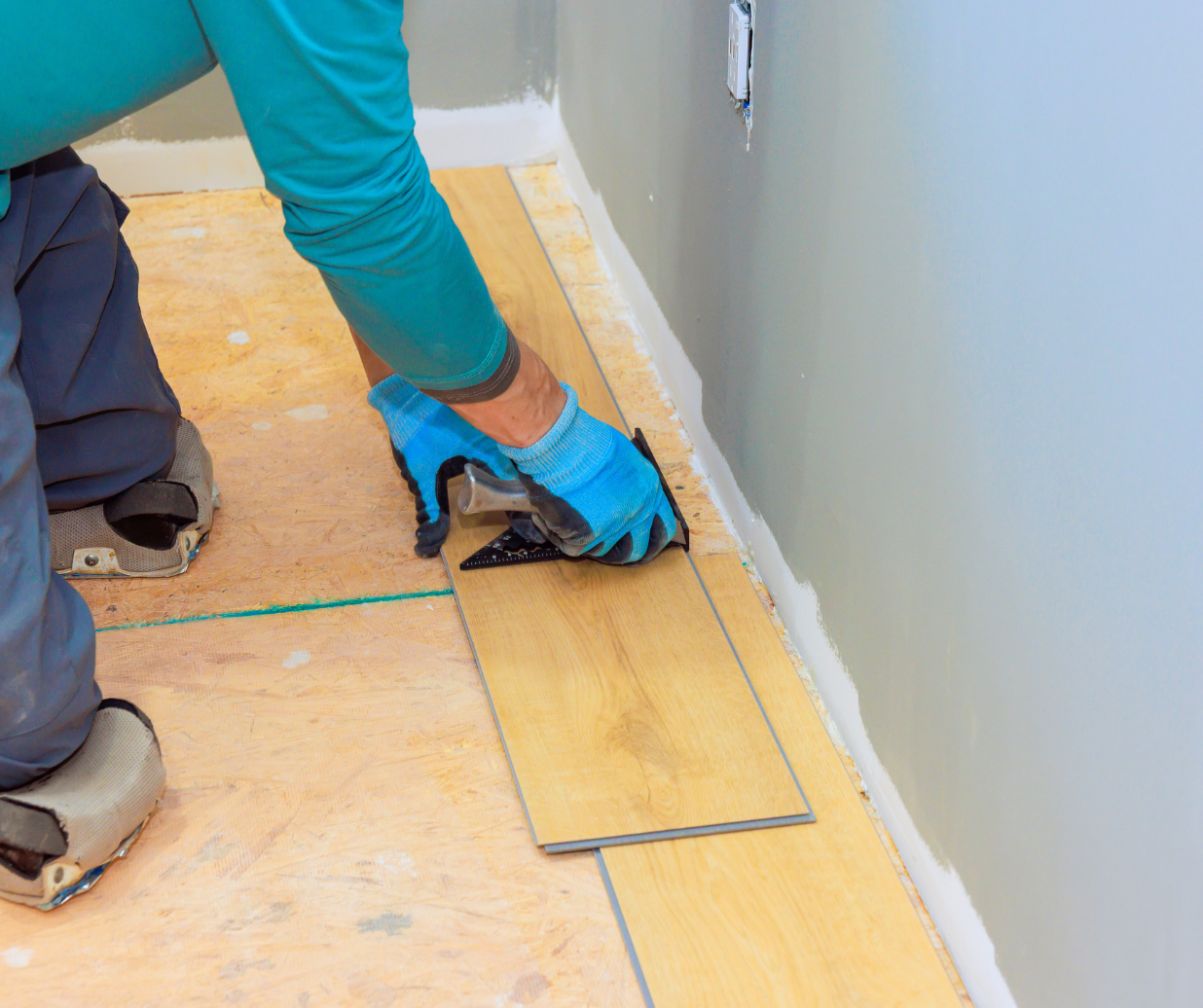
You only have a short window between tenants, and the clock is ticking. The walls need touch‑ups, the cleaners are scheduled, and then you look down: the floors are tired. Scratches, mystery stains, maybe a soft spot by the patio door. Choosing the right replacement now can mean fewer headaches—and fewer expenses—over the next several lease cycles.
Below is a practical way to think through a flooring upgrade for your rental, with a special focus on luxury vinyl and other commercial‑grade options that fit real Indiana wear and tear.
Start With How Your Tenants Actually Live
Before jumping to materials, look at how each space is used. A downtown duplex with young professionals has different needs than a single‑family home in a quiet subdivision full of kids and pets.
Ask yourself:
- How many people typically live here?
- Are there pets? If yes, how big and how many?
- Where do you see the worst wear—entry, kitchen, halls, or bedrooms?
- Have you had past issues with leaks, damp basements, or tracking in snow and salt?
For many Central Indiana rentals, the highest stress shows up in kitchens, baths, and entries. Those are spots where moisture, winter slush, and daily traffic can destroy a budget floor in just a few years. That’s a big reason so many owners are turning to modern luxury vinyl plank options, which handle spills and foot traffic better than older sheet vinyl or basic laminate.
Key idea: Let the hardest‑used rooms set the standard. Once you choose a material that survives there, you can often run it into adjoining spaces for a cleaner, more modern look.
Why Luxury Vinyl Makes Sense for Rentals
Landlords tend to care about three things: how long the floor lasts, how it looks in listing photos, and how easy it is to fix when something goes wrong. Good‑quality LVP and LVT check all three boxes.
Here’s why luxury vinyl is such a strong fit for Indiana rentals:
- Durability per dollar. A thicker wear layer resists scratches from pet claws, chair legs, and rolling suitcases. That means it still looks good after several tenants.
- Water resistance. In kitchens, baths, and basements, vinyl shrugs off minor leaks and everyday spills in ways standard laminate or low‑end wood can’t.
- Easy turnover cleaning. Most products mop up well with neutral cleaner, so your turnover crew can move fast without special chemistry.
- Style that helps units rent. Wood‑look planks and stone‑look tiles photograph beautifully, which matters when your listing is competing online.
If you’re comparing vinyl to other hard surfaces, remember that some “waterproof” categories are grouped together; you can see a broader mix of waterproof flooring options if you’re dealing with a chronically damp lower level or a walk‑out basement near a lake or creek.
Key idea: Spend a little more on wear layer and core stability now; it’s cheaper than replacing a bargain floor after one rough lease.
Matching Commercial-Grade Thinking to Residential Rentals
Even though your property is technically a home, it behaves more like a light‑duty commercial space. People move furniture in and out, drag boxes, and aren’t always gentle with cleaning products.
Borrowing a commercial mindset can help:
- Choose surfaces that tolerate rolling loads and frequent cleaning.
- Think about slip resistance at entries.
- Plan for transition strips that won’t pop loose when movers roll dollies over them.
We approach our work for landlords much like we do for businesses—looking at lifetime cost, not just material price. If you’re curious what else can be handled under one roof (from subfloor repair to carpet removal), our full list of flooring services shows how we support both residential and commercial projects.
Key idea: Treat your rental like a small business asset. Floors that tolerate “commercial‑style” use usually pay for themselves over multiple tenancies.
Planning the Project Around Tight Turnover Windows
Most investors don’t have the luxury of a month‑long renovation. You might have just a week between move‑out and new keys. That makes planning and sequencing critical.
A few practical steps:
- Decide on materials early. Once you’ve settled on LVP or another hard surface, you can lock in lead times and avoid last‑minute compromises.
- Walk the unit with subfloors in mind. Soft spots or squeaks may require repairs before new planks go down, so build a little time for that into your schedule.
- Coordinate with paint and cleaning. In many cases, it’s smartest to paint first, install floors second, and do final cleaning last so your new surfaces stay fresh.
If visiting a showroom is tough while you’re juggling leases, our shop-at-home service lets you review samples right in the unit, under the same lighting your next tenants will see.
For inspiration—especially if you own several properties and want them to feel consistent without looking cookie‑cutter—you can browse flooring inspiration galleries and room visualizer tools to see how different tones and plank widths read in real spaces.
Key idea: A clear sequence—inspect, choose, schedule, then install—keeps you from slipping your move‑in date.
Bringing It All Together
Upgrading floors in a rental is one of the few improvements that can lower maintenance costs, attract better tenants, and modernize the space all at once—especially when you choose a well‑built luxury vinyl or other durable surface with a commercial mindset.
If you’re ready to talk through options for a specific property—whether it’s a single unit in Broad Ripple or a small portfolio across the north side—you can request a free estimate and we’ll help you map out a smart, low‑drama plan for your next turnover.


